Why Aluminum Foundry Casting Stays a Leading Selection for Lightweight, High-Performance Components
Aluminum foundry casting has established itself as a leading method for producing light-weight, high-performance components. Its remarkable strength-to-weight proportion, coupled with outstanding corrosion resistance, makes it a desirable option throughout various markets. The convenience in style and production procedures improves its charm. As makers look for lasting and cost-efficient options, aluminum casting proceeds to adapt. This increases concerns regarding its future duty and the arising patterns that might form its use in advanced applications.

The Strength-to-Weight Advantage of Aluminum
Various materials are made use of in casting procedures, aluminum stands out due to its exceptional strength-to-weight ratio. This residential or commercial property makes aluminum a perfect option for sectors that prioritize efficiency and performance, such as aerospace and auto. The light-weight nature of aluminum enables decreased fuel usage and raised haul ability, vital in competitive markets. In addition, aluminum's high toughness guarantees that elements can hold up against significant stress and stress, keeping architectural honesty without including unnecessary weight. This combination of strength and lightness makes it possible for engineers to develop cutting-edge items that boost performance while decreasing power use. The convenience of aluminum allows for intricate forms and layouts, broadening its applications across different fields. As producers continue to look for materials that add to sustainability and effectiveness, aluminum's strength-to-weight advantage stays a crucial consider its long-lasting popularity in foundry casting.
Extraordinary Deterioration Resistance and Resilience
Deterioration resistance is one of aluminum's most considerable characteristics, making it an exceptional option for foundry casting applications. Aluminum's natural oxide layer provides a safety obstacle that prevents deterioration from ecological elements such as wetness, salt, and different chemicals. This inherent residential property permits aluminum parts to keep their architectural integrity and look with time, also in severe conditions.
In addition, aluminum's longevity expands its life expectancy, reducing the need for frequent substitutes and maintenance. This particular is specifically advantageous in sectors such as automobile and aerospace, where elements are subjected to extreme environments. The light-weight nature of aluminum, combined with its rust resistance, guarantees that components can carry out reliably without adding unneeded weight.
Adaptability in Style and Production
As the need for ingenious remedies in different sectors expands, aluminum foundry casting shows amazing adaptability in layout and production. This strategy permits the production of complex geometries and intricate information that are usually testing to accomplish with other materials or techniques. Aluminum's light-weight nature integrated with its capability to be formed into numerous shapes makes it optimal for applications ranging from automotive components to aerospace frameworks.
Additionally, aluminum foundry casting supports a broad range of layout modifications, enabling makers to customize items to details efficiency requirements and aesthetics. The adaptability of aluminum alloys further improves this procedure, permitting the optimization of mechanical properties based on the desired application.
This versatility not only simplifies the style process yet also helps with fast prototyping, allowing faster market access for ingenious items. Ultimately, aluminum foundry casting stays a preferred choice for engineers looking for effectiveness without compromising high quality in component design.
Cost-Effectiveness and Efficiency in Manufacturing
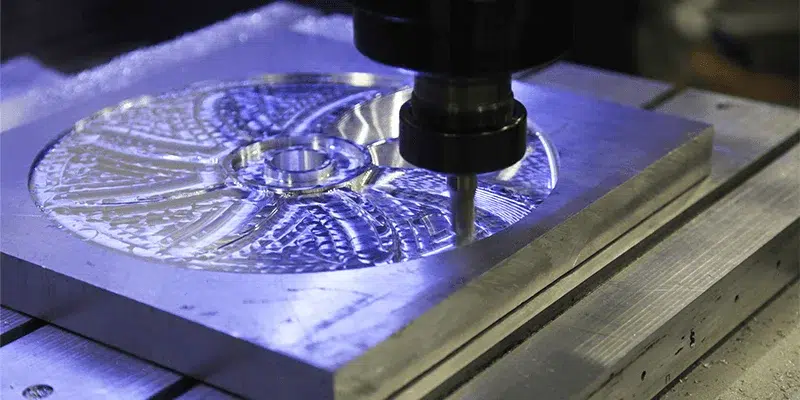
Aluminum foundry casting not only provides layout convenience yet additionally delivers considerable cost-effectiveness and efficiency in production. This technique enables the development of complicated shapes with marginal product waste, decreasing overall prices. The reduced melting point of aluminum calls for less power compared to various other metals, adding to lower functional expenses. Additionally, the rapid production cycles connected with aluminum casting assist in quicker turnaround times, making it possible for manufacturers to satisfy market demands effectively.
In addition, the capacity to generate huge quantities in a single run reduces labor expenses and enhances productivity. Making use of advanced casting technologies, such as sand casting and pass away casting, enhances the production procedure, making sure regular top quality and efficiency (Precision aluminum casting). In general, these aspects make aluminum foundry casting a monetarily practical alternative for business looking for lightweight, high-performance parts while optimizing their manufacturing effectiveness
Environmental Benefits of Aluminum Casting
Aluminum casting deals considerable ecological benefits, mainly as a result of the material's high recyclability. This procedure generally needs much less energy contrasted to other metals, contributing to a reduced overall energy usage. Additionally, making use of aluminum can result in a decreased carbon footprint, making it a much more sustainable choice in production.
Recyclability of Aluminum
While the production of aluminum includes considerable power usage, its impressive recyclability offers substantial environmental benefits. Aluminum can be recycled indefinitely without losing its properties, making it a sustainable choice for different applications. The reusing procedure requires just a fraction of the energy needed for main manufacturing, consequently reducing overall carbon exhausts and conserving all-natural sources. This capability to recycle and reclaim aluminum not just reduces waste in land fills yet also supports a circular economy. Furthermore, the widespread schedule of recognized recycling programs and facilities assists in the effective healing of aluminum scrap. The recyclability of aluminum adds significantly to ecological sustainability, lining up with the growing need for environment-friendly manufacturing procedures in the foundry market.
Reduced Energy Consumption
The reduced energy intake connected with aluminum casting presents considerable environmental benefits, also boosting the metal's sustainability account. Unlike other steel casting procedures, aluminum casting read what he said requires less energy throughout its lifecycle. The melting point of aluminum is reasonably low, which means that much less gas is required for home heating contrasted to much heavier metals. In addition, aluminum's excellent thermal conductivity enables reliable heat transfer during casting, lowering energy loss. This efficiency click here now equates right into lower operational costs and a minimized ecological effect. Additionally, the ability to recycle aluminum several times without deteriorating its properties adds to total energy savings. By picking aluminum casting, sectors can embrace an extra sustainable technique, balancing performance needs with eco-friendly obligation.
Minimized Carbon Footprint
Applications Throughout Numerous Industries
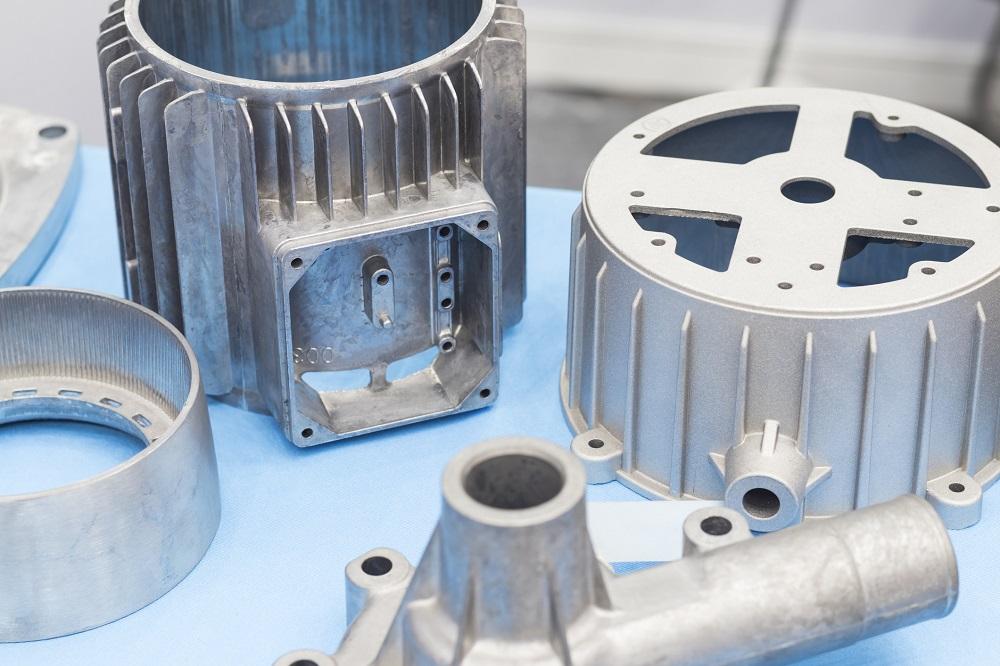
Aluminum foundry casting offers a vital duty throughout countless sectors, showcasing its convenience and versatility. In the automotive field, it is employed for manufacturing lightweight elements, improving fuel efficiency and efficiency. Aerospace applications profit from aluminum spreadings because of their high strength-to-weight proportion, which contributes to enhanced aircraft effectiveness.
In the electronics sector, aluminum castings are used for real estate and warm sinks, giving outstanding thermal conductivity and protection for sensitive components. aluminum casting. The construction field makes use of aluminum spreadings for numerous architectural and architectural components, guaranteeing resilience and visual appeal
Furthermore, the clinical sector incorporates aluminum castings for specific tools, where precision and dependability are extremely important.
Future Trends in Aluminum Foundry Casting
As industries develop, the future of aluminum foundry casting is positioned for substantial advancements driven by technological developments and boosting sustainability needs. One remarkable fad is the integration of automation and robotics, enhancing precision and effectiveness in casting processes. This shift not only minimizes labor expenses yet additionally decreases human mistake, bring about better results.
Furthermore, innovations in alloy development are anticipated to yield lighter and stronger materials, better widening the applications of aluminum spreadings. The adoption of green practices, such as using recycled aluminum and energy-efficient melting methods, aligns with global sustainability goals, interesting ecologically aware customers.
Furthermore, the increase of additive manufacturing innovations is most likely to make it possible for more complex geometries and tailored styles, broadening design opportunities. Jointly, these fads indicate a dynamic future for aluminum foundry casting, placing it as an essential part in the manufacturing of innovative, light-weight, and high-performance parts throughout different markets.
Regularly Asked Questions
How Does Aluminum Casting Contrast to Other Materials in Efficiency?
Aluminum casting normally uses premium strength-to-weight proportions, outstanding rust resistance, and much better thermal conductivity contrasted to numerous various other products. It allows for detailed styles and economical production, making it a recommended choice in different applications.
What Are the Temperature Level Limits for Aluminum Cast Elements?
Aluminum cast components commonly endure temperatures approximately 400 ° F (204 ° C) for extended use, although particular alloys might endure greater temperatures (Aluminum Foundry). Yet range, homes like stamina and ductility may significantly weaken, impacting total efficiency
Can Aluminum Casting Be Recycled, and How?
Aluminum casting can be recycled successfully. Scrap aluminum is melted down, cleansed, and reformed right into brand-new items, significantly minimizing energy usage and environmental influence contrasted to main aluminum production, therefore promoting sustainability in manufacturing procedures.
What Are the Usual Problems in Aluminum Foundry Casting?
Common defects in aluminum foundry casting consist of porosity, contraction, misruns, chilly shuts, and surface imperfections. These concerns can arise from insufficient putting methods, improper temperature control, or contamination throughout the casting procedure, affecting total high quality.
For how long Does It Generally Take to Create Aluminum Castings?
Usually, generating aluminum castings takes between a couple of go to website days to numerous weeks. Factors include mold intricacy, manufacturing quantity, and the specifics of the casting process, influencing the overall timeline for conclusion.
As the need for cutting-edge solutions in numerous sectors grows, aluminum foundry casting demonstrates remarkable versatility in layout and production. Aluminum foundry casting not only offers design convenience however likewise provides considerable cost-effectiveness and efficiency in manufacturing. Unlike various other metal casting procedures, aluminum casting needs less power throughout its lifecycle. Aluminum casting is inherently more lasting compared to various other materials due to aluminum's recyclability and reduced discharges throughout manufacturing. Recycled aluminum needs just 5% of the energy required for primary aluminum manufacturing, considerably lowering greenhouse gas exhausts.